Professional electric furnace repair for Leesburg and Loudoun County homes.
Electric furnaces heat with electric elements instead of a flame, so their failures look different: burned-out heat strips, failed sequencers, and airflow problems. Our technicians test each element and control in sequence. Call (571) 561-3454 for electric furnace repair across Leesburg and Loudoun County.
An electric furnace does not roar to life all at once. It stages on: the blower starts, then heat strips energize one bank at a time through sequencers. That staging is why an electric furnace with a failed sequencer blows lukewarm air forever, or why one dead element leaves the house chilly on the coldest nights when every bank should be firing.
Technicians test each element for continuity and each sequencer for proper staging. A single open element is a straightforward repair. Multiple failed elements or a scorched sequencer suggest the furnace has been overheating, which leads to the next question: why.
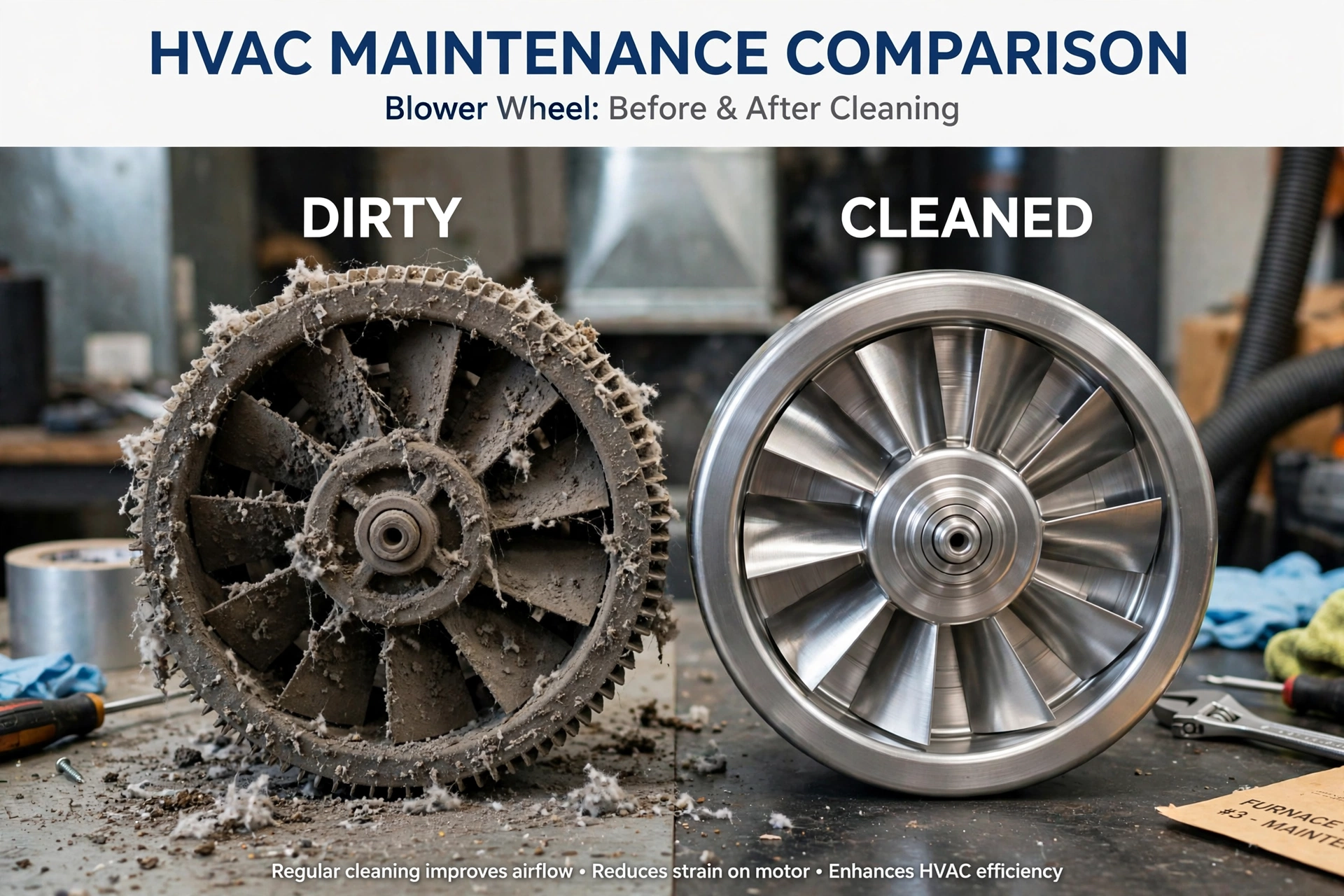
Electric furnaces are unforgiving of restricted airflow. A clogged filter, closed-off rooms, or a struggling blower lets heat build up around the elements until the high-limit switch trips. The furnace then cycles on the limit: heat, trip, cool, repeat. Homeowners describe it as the furnace running constantly but the house never quite warming.
The fix is rarely just resetting the limit. The technician finds what choked the airflow, because every limit trip shortens the life of the elements it was protecting.
Electric resistance heat costs more per unit of warmth than gas in most cases, which is why many Loudoun County homes pair electric backup with a heat pump instead of running pure electric. If your winter electric bills spike hard, the heat pump may have failed and the strips may be carrying the whole load alone.
Mention your bill pattern when you call. It helps the technician know whether to look at the furnace alone or the whole heating system.
A tripping breaker means something in the furnace is drawing too much current or shorting. Common causes include a heating element shorting to ground, a sequencer sticking and energizing banks out of order, a blower motor straining on worn bearings, or loose wiring arcing at a contactor.
Reset the breaker once. If it trips again, stop resetting it. Repeated resets on a short circuit can damage wiring and the control board, turning a single-part repair into a bigger one. Note whether the breaker trips the instant the heat calls or after several minutes of heating; instant usually means a short, delayed usually means an overload.
Diagnosis isolates each circuit separately: elements, sequencers, blower, and controls are tested one at a time to find the source of the excess current. Call (571) 561-3454 and mention the trip timing; it tells the technician where to look first.
Breaker size matters too. An electric furnace must be matched to a correctly rated breaker and wire gauge, and we occasionally find units where a previous installer undersized the protection or where a replacement breaker was installed with the wrong rating. Part of the diagnostic visit is confirming the electrical supply itself is correct, since no component repair will hold if the circuit feeding the furnace is wrong.
The signs are consistent: lukewarm air from the vents on cold nights, the furnace running constantly without reaching the set temperature, or one bank of elements never glowing during the staged startup while the others do. A visual check sometimes shows a broken or sagging coil.
Technicians test continuity across each element and verify that the sequencers are staging every bank in order. A single open element is a targeted repair. Multiple failed elements point to a cause rather than coincidence: chronic overheating from a clogged air filter, a weak blower, or restricted ductwork.
Element replacement always includes checking why it failed, because heating elements rarely die without help. Fix the airflow problem behind it and the new element lasts; skip that step and the pattern repeats.
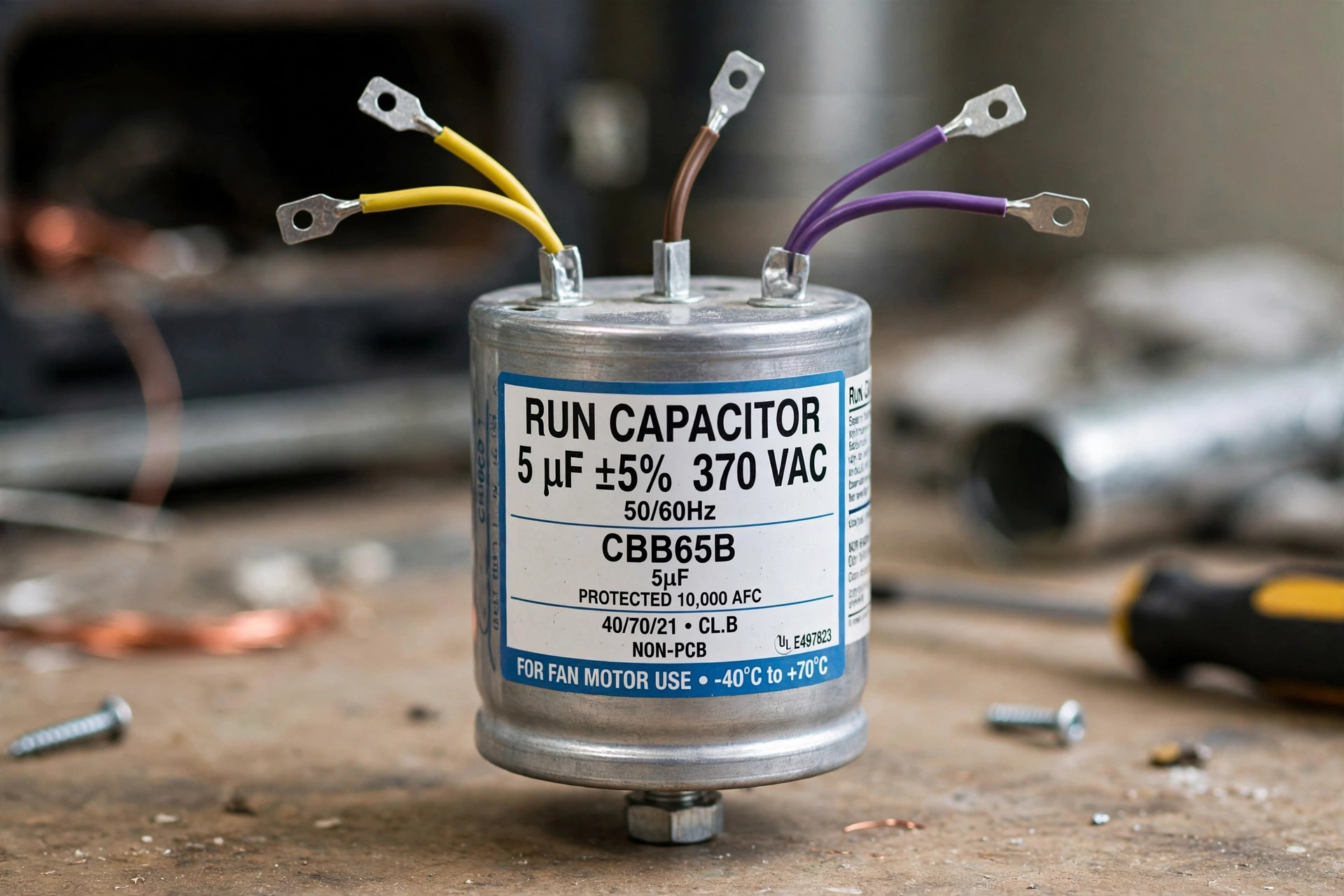
The sequencer deserves the same attention as the element it controls. A sequencer that sticks on keeps its bank energized too long, while one that fails to close leaves its bank cold. Because sequencers and elements age together, technicians test both during the same visit, and replacing a worn sequencer alongside a failed element is often the repair that actually ends the problem.
Straight answers before you call.
Describe what your furnace is doing and we will point you to the right next step.
Call (571) 561-3454The blower may be running while no heat strips are energizing. Failed sequencers, open elements, or control problems are the usual causes.
No. A tripping breaker means something is drawing too much current or shorting. Reset it once, and if it trips again, call for service rather than forcing it.
Check monthly in heating season and replace when visibly dirty. Electric furnaces punish neglected filters with limit trips and element failures.
Sometimes, if gas service reaches the home. It is a significant project involving gas lines, venting, and permits, best discussed as a planned replacement rather than a repair.
Dust burning off the elements after months idle is normal for the first cycle or two. A persistent burning smell is not, and deserves a look.
No-heat emergencies diagnosed and repaired fast, day or night.
Diagnosis and repair for gas-fired furnaces and their controls.
Seasonal tune-ups that keep the furnace safe and reliable.
New furnace installation sized and set up for Loudoun County homes.
Call now and describe what is happening. We will take it from there.
Call (571) 561-3454