The Fall Tune-Up
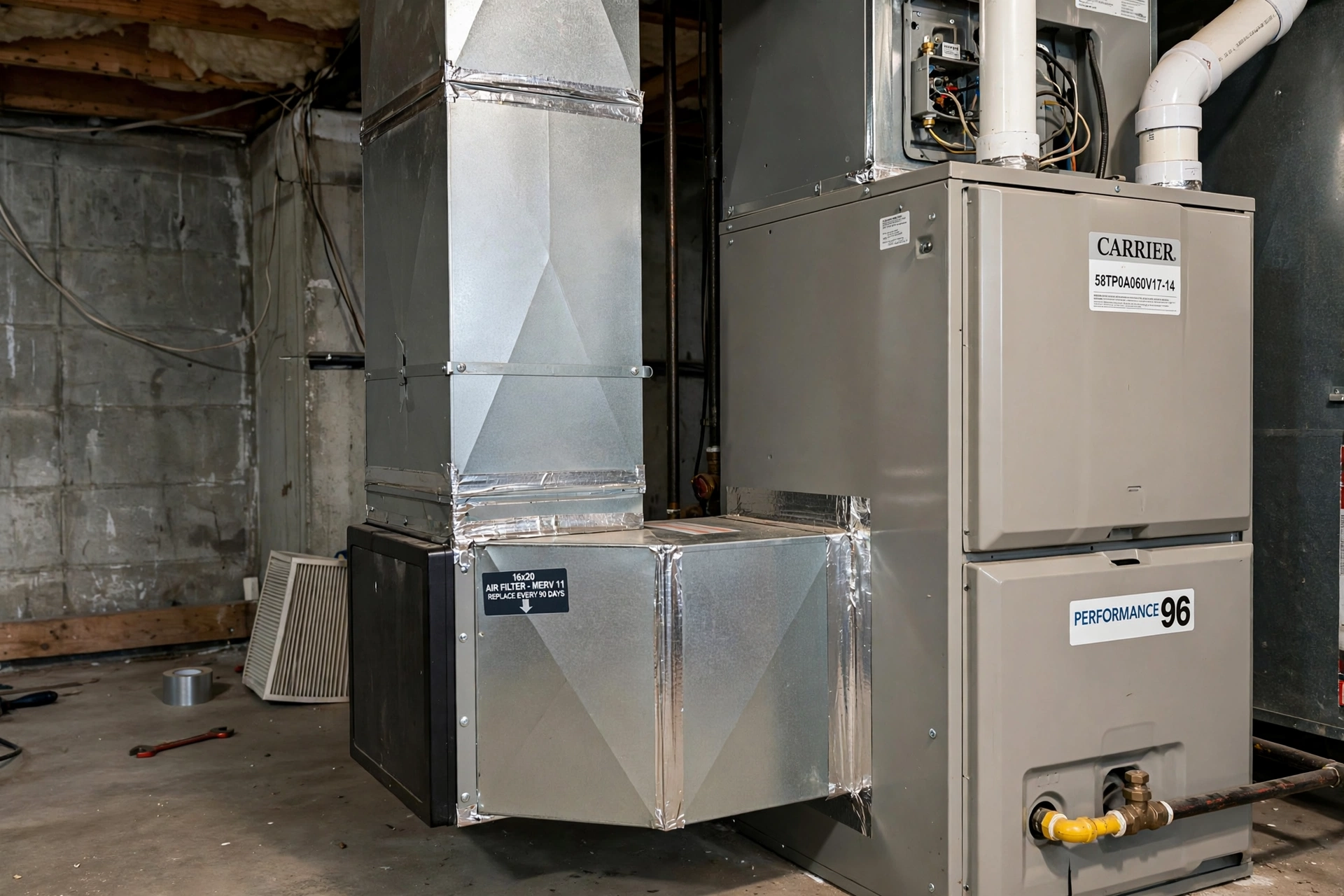
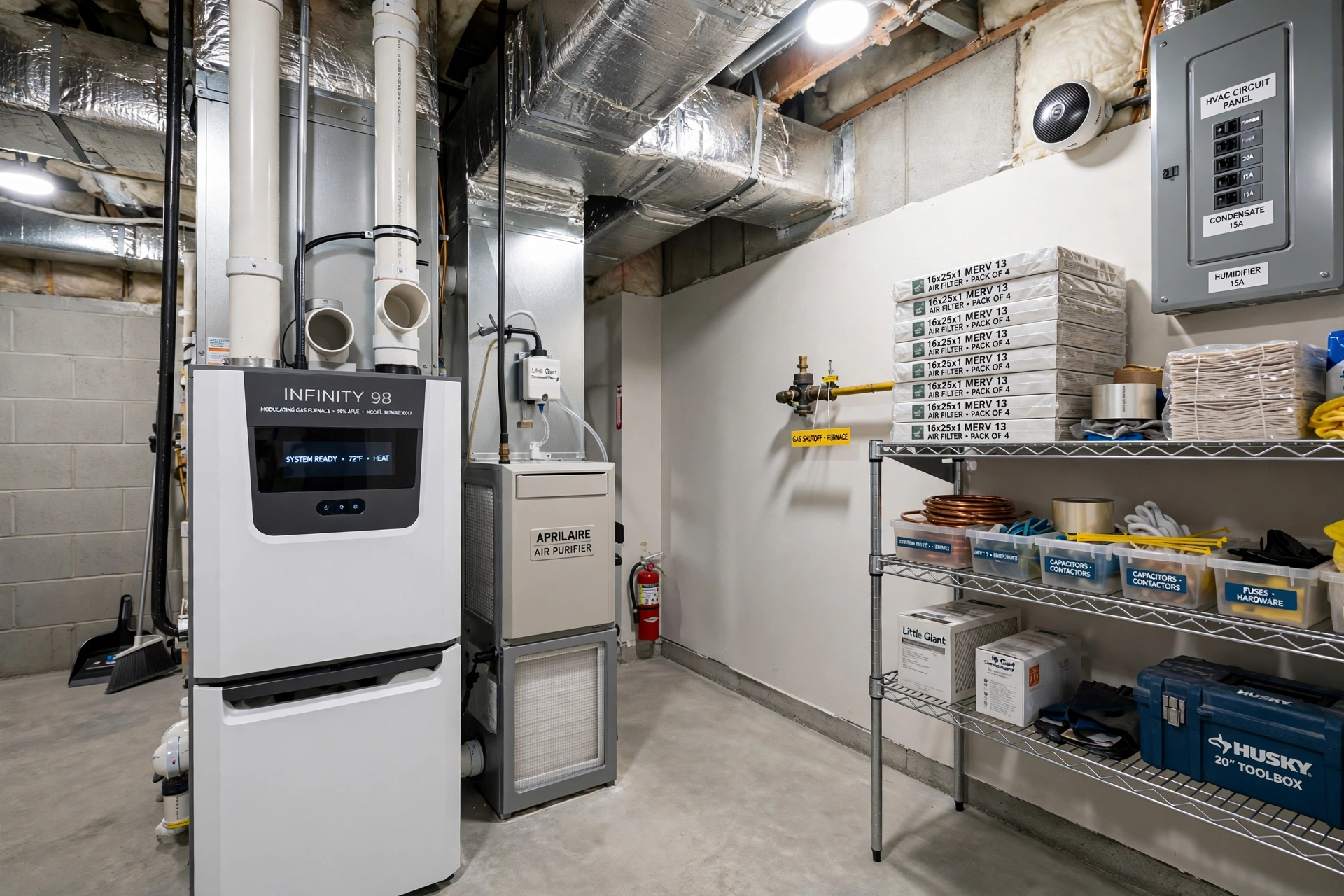
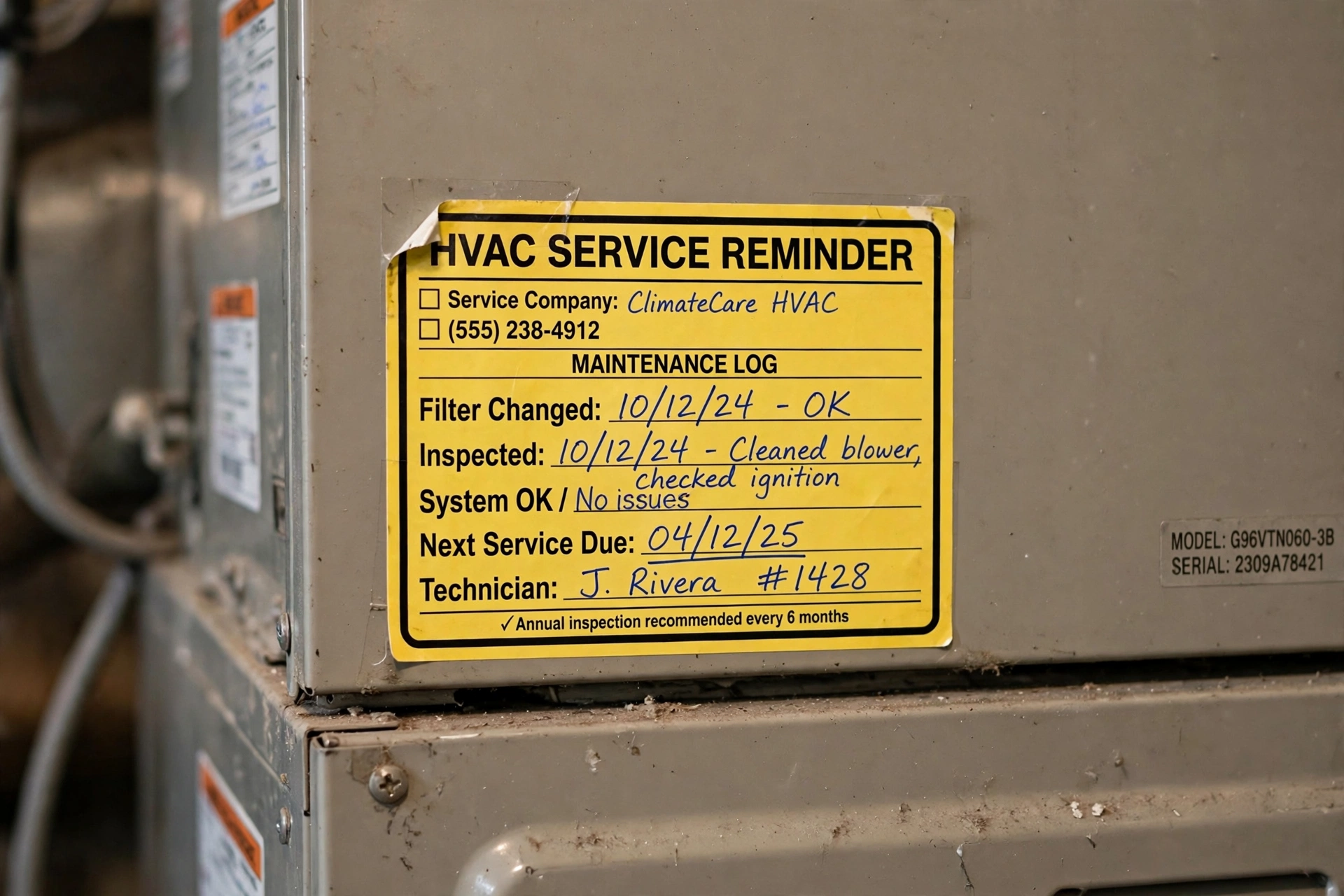
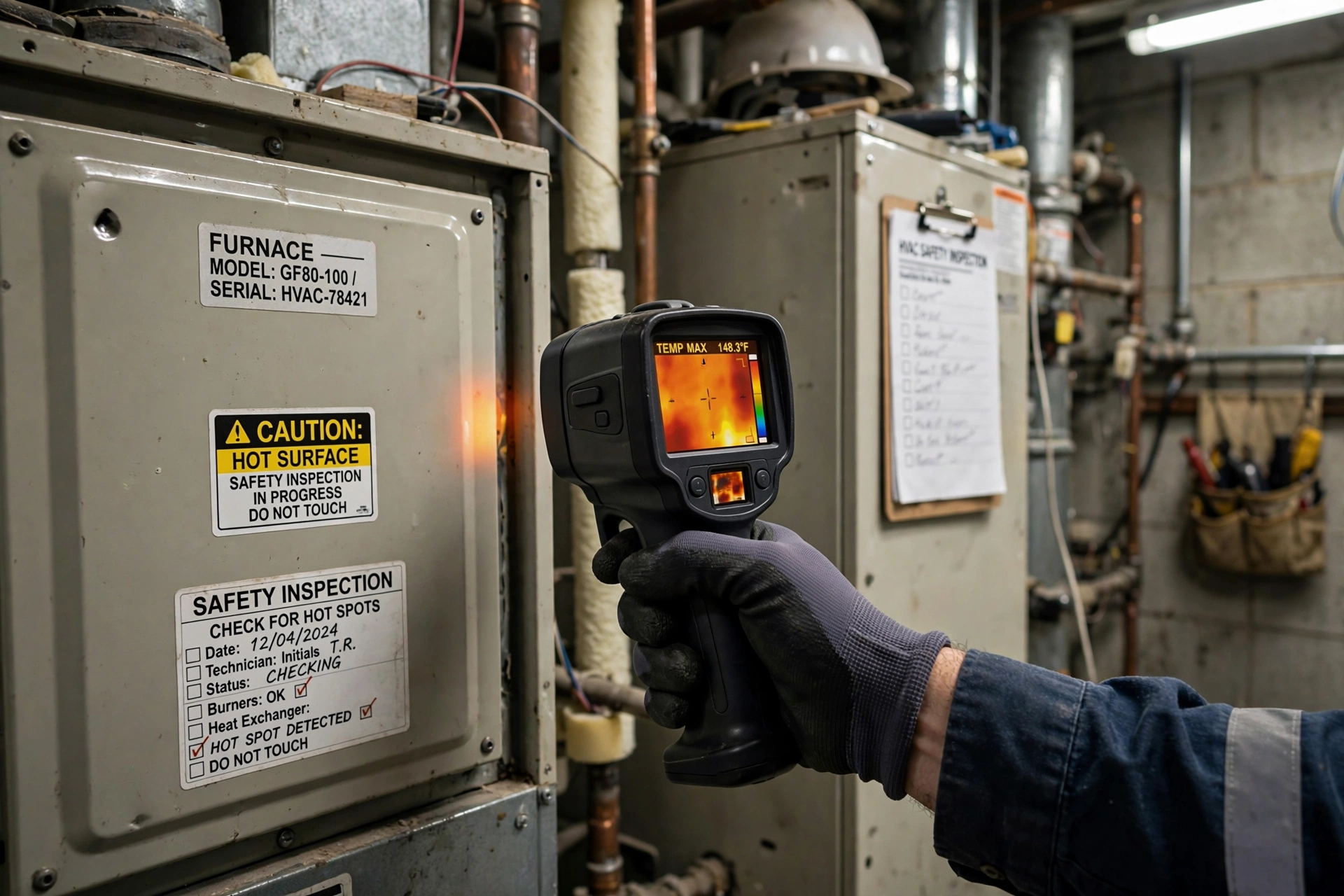
A professional maintenance visit in early fall is the single best winter prep. The technician tests the ignition sequence, cleans the flame sensor, checks the heat exchanger, verifies airflow, and confirms safe combustion. Worn parts get replaced on your schedule, not at midnight in January.
Your Three Homeowner Tasks
Replace the filter, make sure all supply and return vents are open and unblocked by furniture, and test every carbon monoxide detector in the house. Those three take twenty minutes and prevent the most common winter failures.
Know Your System's Age and History
If your furnace is past 15 years or needed repairs last winter, go into the season with a plan, not a hope. An honest assessment in fall gives you time to consider replacement calmly instead of deciding during a no-heat emergency.
When the First Cold Snap Hits
Virginia's first hard freeze usually arrives with little warning. Systems that sat idle for seven months get asked for full output overnight. If yours hesitates, bangs, or smells wrong on that first run, call (571) 561-3454 before a small issue grows.
Questions About Preparing Your Furnace for a Virginia Wi
When should I schedule winter prep?
September or October. Once November arrives, schedules fill with no-heat calls.
What filter should I use?
The size printed on your existing filter, in a quality pleated media. Avoid ultra-restrictive filters on older systems without checking airflow.
Do I need to cover the outdoor unit?
Furnaces are indoor equipment. If you have a heat pump with an outdoor unit, keep it clear of leaves and debris rather than covering it.